Cottage & ChaletCottages · Condos · Vacation Apartments
Guides

Ice fishing cottages in Canada

Six places where a cottage or chalet puts you next to the ice-fishing huts, with seasons, drive times and safety tips.

Ice fishing is one of the best reasons to rent a cottage in winter. You spend the day in a heated hut on a frozen lake or river, and the evening in a warm cottage by the fire instead of driving home. Many places rent huts by the day with equipment, so you do not need your own gear.

Seasons depend on the ice, which changes every year, so always check local conditions before you go. You also need a fishing licence from the province, and limits and seasons differ from lake to lake. Here are six places to start.

Lake Simcoe

1. Lake Simcoe, Ontario

≈ 1 h from Toronto · Ontario

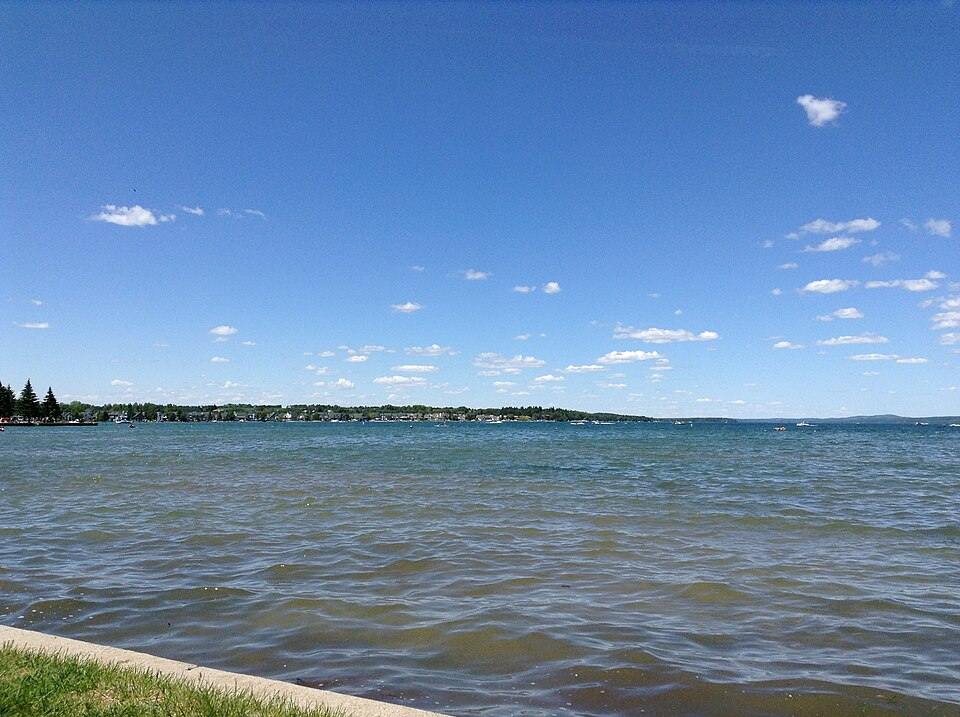
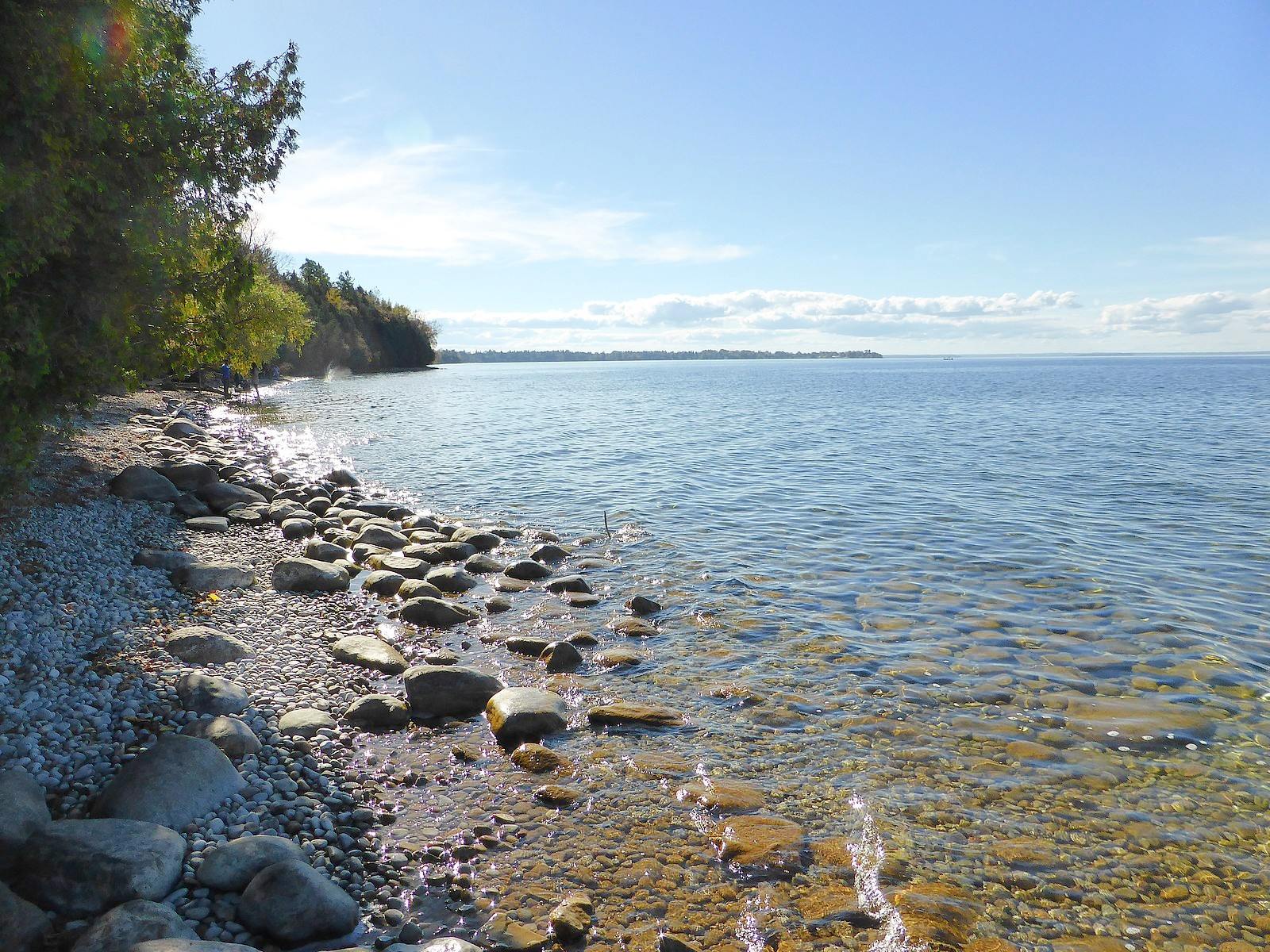
From January to March, Lake Simcoe becomes one of the busiest ice-fishing lakes in North America, with hut villages off Barrie, Innisfil, Georgina and Beaverton. It is about an hour from Toronto, so a cottage here makes an easy weekend: fish all day and skip the drive home.

Best for: a first ice-fishing trip, hut rentals, a short drive
See cottages for rent in Lake Simcoe →

Kawarthas

2. The Kawarthas, Ontario

≈ 1½–2 h from Toronto · Ontario

The chain of lakes along the Trent–Severn Waterway is known for walleye and bass in summer and becomes ice-fishing and snowmobile country in winter. Cottages around Bobcaygeon, Fenelon Falls and Buckhorn are about 1½ to 2 hours from Toronto.

Best for: quiet lakes, families, snowmobiling

See cottages for rent in Kawarthas →

Near North (Nipissing)

3. Lake Nipissing & North Bay, Ontario

≈ 3½ h from Toronto · Ontario

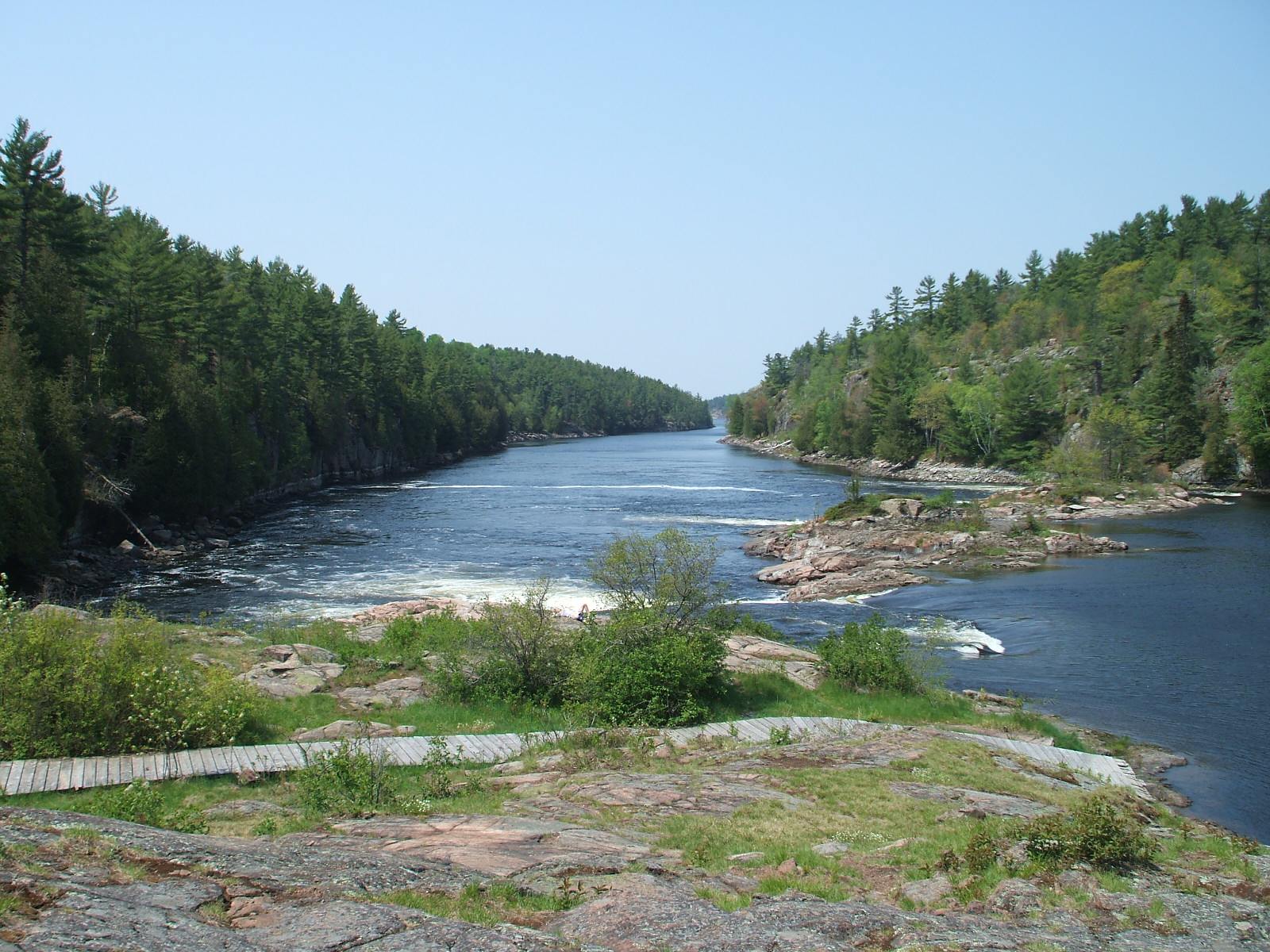
Lake Nipissing, famous for its walleye, is one of the big ice-fishing lakes of Northern Ontario, and North Bay has the services right on the shore. Smaller lakes nearby, like Trout Lake and Lake Nosbonsing, hide quiet cottages at friendly prices. About 3½ hours north of Toronto.

Best for: serious anglers, northern lakes, value

See cottages for rent in Near North (Nipissing) →

Mauricie

4. Sainte-Anne-de-la-Pérade, Mauricie

≈ 1½–2 h from Montreal · ≈ 1½ h from Quebec City · Quebec

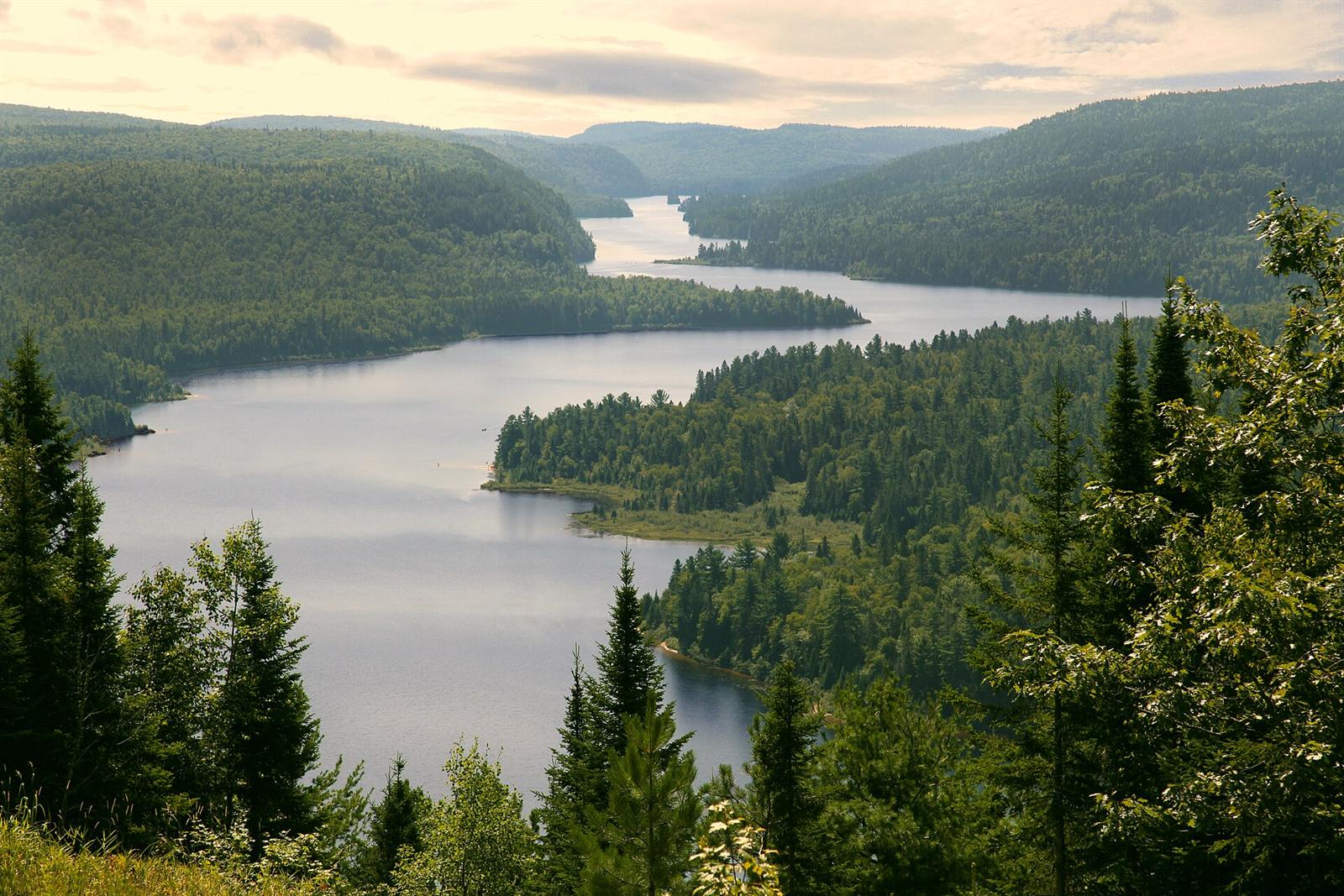
Every winter, hundreds of heated cabins appear on the frozen Sainte-Anne River to fish for tommy cod (poulamon), a small fish that comes up the river to spawn. The tradition goes back to 1938, and the season usually runs from late December to mid-February when the ice allows. It is a great outing with children. The village is about halfway between Montreal and Quebec City.

Best for: families, a unique winter tradition

See cottages for rent in Mauricie →

Saguenay–Lac-Saint-Jean

5. The Saguenay Fjord, Quebec

≈ 5 h from Montreal · ≈ 2½ h from Quebec City · Quebec

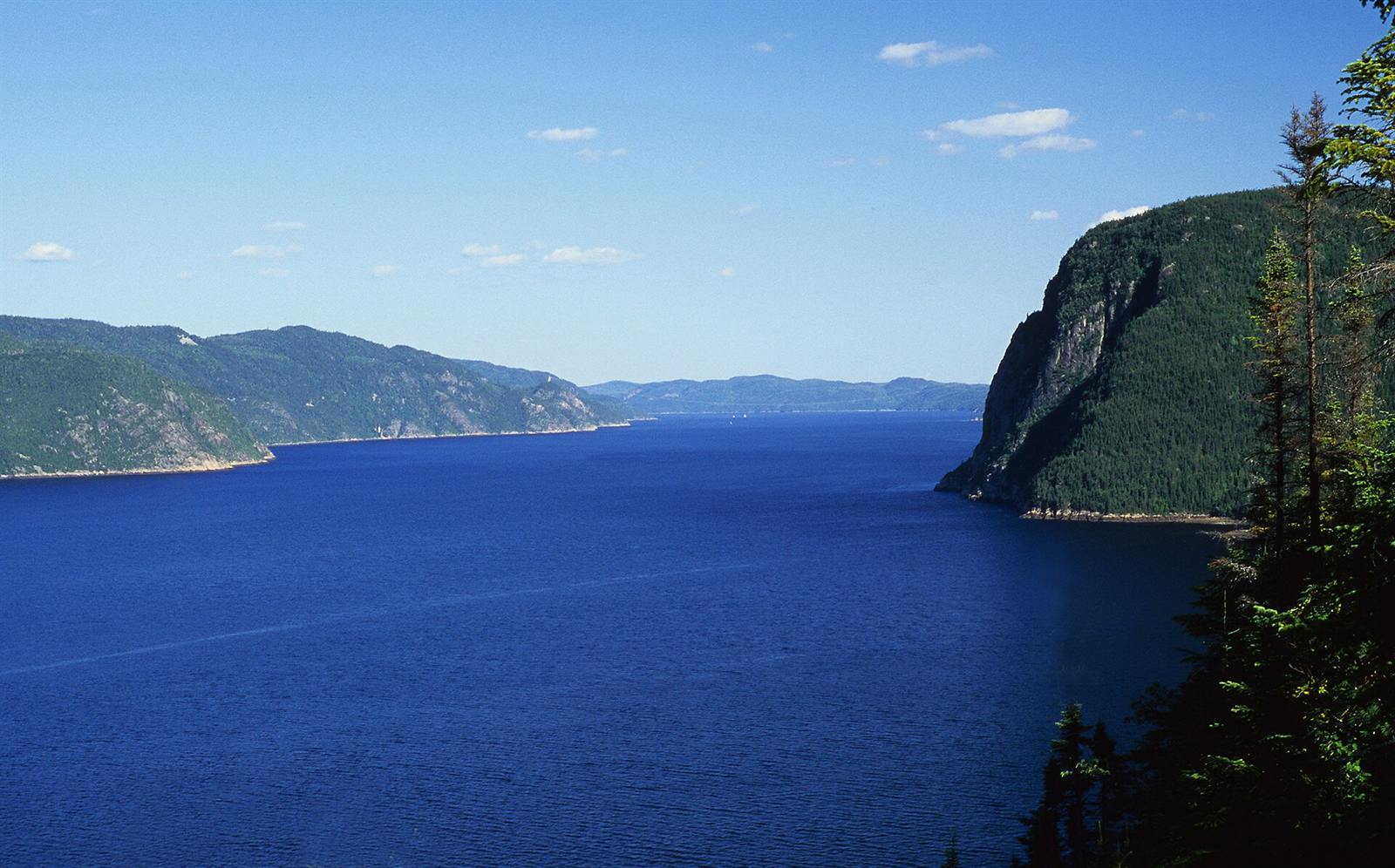
On the frozen fjord at La Baie, the ice-fishing villages of Anse-à-Benjamin and Grande-Baie are among the largest in the world, and you fish salt water through the ice for smelt, cod, redfish and Greenland halibut. The season usually opens in January and depends on the ice; in a mild winter it can be cut short. About 2½ hours north of Quebec City.

Best for: saltwater ice fishing, a northern adventure

See cottages for rent in Saguenay–Lac-Saint-Jean →

Sylvan Lake & Central Alberta

6. Sylvan Lake & central Alberta

≈ 1½ h from Calgary · Alberta

Central Alberta’s lakes freeze solid for ice fishing, skating and a winter festival on Sylvan Lake. Sylvan Lake is about 1½ hours from Calgary and 1¾ hours from Edmonton, and Pigeon and Gull Lake nearby are lined with summer villages and cottages.

Best for: Calgary and Edmonton weekends, skating

See cottages for rent in Sylvan Lake & Central Alberta →

Ice fishing safety and planning

  • Check the ice before you step on it. The Canadian Red Cross recommends at least 15 cm of clear, solid ice for walking, 20 cm for a group and 25 cm for a snowmobile. Grey ice is unsafe.
  • Ice is thinner near river mouths, currents, pressure ridges and docks. Follow local operators and municipal warnings, and stay off the ice when in doubt.
  • Buy a provincial fishing licence before you go, and check the seasons and limits for that lake: they change from one zone to the next.
  • Renting a hut from an operator is the easiest start: most supply heat, holes and equipment, and some include transport across the ice.
  • Dress in layers, bring ice cleats and a thermos, and tell someone where you are going.
  • Ask the cottage owner how far the nearest hut operator or public access to the ice is.

Every cottage and chalet on our site is rented directly from its owner, with no booking fees. Use the “winter” filter in search to find winter-ready places, or open a region above to read the full guide.

Show winter-ready chalets

Own a cottage or chalet here? List it free — guests contact you directly, no commission. List your cottage →

Updated 2026-10-19